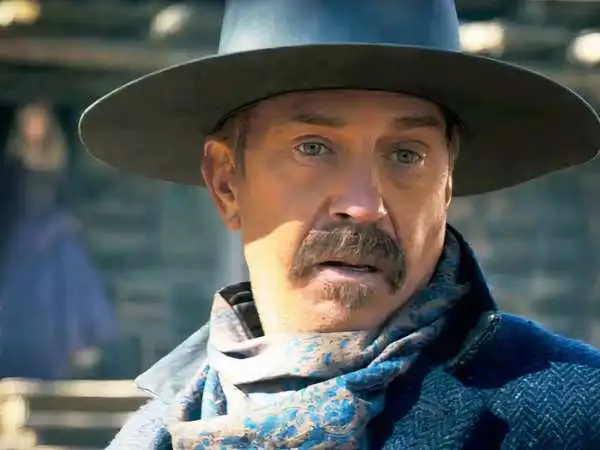
When people search Horizon: An American Saga reviews, they’re usually confused before they’re curious. The reactions to this film didn’t land in one clean place. Some viewers walked out impressed, even moved. Others left frustrated, wondering what they just watched and why it felt unfinished. That divide isn’t accidental. It’s built into the film’s DNA.
I watched Horizon: An American Saga knowing it wasn’t trying to be a neat, modern Western. Kevin Costner wasn’t chasing speed or easy payoff. He aimed for scale, patience, and something closer to an old-fashioned frontier chronicle. That choice shaped every review that followed. This blog breaks down the praise, the criticism, the audience reaction, and the bigger question critics keep circling—what is this movie really trying to be?
What Is Horizon: An American Saga
Horizon: An American Saga is the first chapter in a multi-part Western epic directed by and starring Kevin Costner. Rather than telling one tight story, the film spreads across multiple characters, locations, and timelines as settlers push westward during the mid-1800s.
This isn’t a standalone movie in the traditional sense. It’s closer to the opening chapters of a very long novel. That framing matters, because many reviews—good and bad—hinge on expectations. People walked in expecting closure. Costner delivered foundation.
also read : – American Pie Actors: Where the Cast Started, Who Played Nadia and Jim, and Why the Film Still Gets Talked About
Why Horizon: An American Saga Reviews Are So Divided
Most modern films are built around momentum. Clear arcs. Clean resolutions. Horizon refuses that structure. It lingers. It introduces people you won’t fully understand yet. It drops storylines without wrapping them.
Some critics saw ambition. Others saw indulgence.
That split explains why reviews range from admiration to irritation, often using the same evidence to argue opposite points.
The Vision Kevin Costner Was Chasing
Kevin Costner has spent decades tied to the Western genre. This project feels personal. Almost stubbornly so. He wasn’t interested in revising the Western for modern tastes. He wanted to restore its sprawl.
The film treats westward expansion as:
- Messy
- Slow
- Violent
- Unfinished
That honesty impressed some reviewers who felt modern Westerns often romanticize or oversimplify the era.
Others felt the same approach drained urgency.
also read : – The Smallville Cast, Life After Superman’s Shadow, and How Their Paths Changed Over the Years
Critical Reviews: What Professional Critics Said
Professional critics focused on structure more than performances.
Common praise included:
- Expansive cinematography
- Authentic production design
- Commitment to historical texture
Common criticism centered on:
- Length
- Lack of narrative payoff
- Fragmented storytelling
Several reviews described the film as “beautiful but exhausting.” Others called it “brave in a way studios no longer allow.”
That alone explains the polarized tone.
Audience Reviews: A Very Different Conversation
Audience reactions skewed differently from critics.
Viewers who enjoy:
- Slow-burn storytelling
- Historical detail
- Ensemble narratives
tended to respond more positively.
Casual moviegoers expecting a traditional Western often felt misled. Many audience reviews mention confusion rather than dislike. They didn’t hate the film. They just didn’t know how to process it.
That gap between expectation and execution shaped much of the backlash.
also read : – Everything We Know About Morbius, Cast of Morbius, Plotline of Morbius
Performances: Subtle Over Showy
Kevin Costner’s performance doesn’t dominate the screen. That surprised some viewers. He shares space rather than controlling it.
Supporting cast performances are restrained. No one is chewing scenery. Dialogue is sparse. Emotional beats are quiet.
Some critics praised this restraint as maturity. Others felt it made characters harder to connect with.
Again, same choice. Different reactions.
Cinematography and Visual Scale
Nearly every review—positive or negative—agrees on one thing. The film looks incredible.
Wide landscapes. Natural light. Dust, sweat, and silence used as storytelling tools. The visuals feel closer to classic Western photography than modern digital polish.
For viewers who value atmosphere, this became a major strength.
For those wanting pace, it sometimes felt like padding.
Pacing: The Most Common Complaint
If one word dominates Horizon: An American Saga reviews, it’s slow.
The film spends significant time:
- Introducing locations
- Establishing routines
- Showing daily frontier life
These moments build realism, but they test patience. Several critics argued that this material might have worked better in a series format.
Others countered that slowness was the point. Frontier life wasn’t efficient. It was grinding.
also read : – ENFP Anime Characters: Know about the most popular ENFP Anime Characters in detail!
Story Structure: Chapter One, Not the Whole Book
Many negative reviews stem from one issue. The film doesn’t end in a traditional way.
Plot threads remain open. Conflicts don’t resolve. Characters disappear mid-journey.
For some viewers, that felt incomplete. For others, it felt honest. History didn’t wrap itself neatly either.
This structure only makes sense if future chapters arrive. Without them, the criticism carries more weight.
Themes Critics Noticed
Despite disagreement, critics largely agreed on the themes Horizon explores:
- The cost of expansion
- Violence as a constant presence
- The fragility of frontier communities
- Moral ambiguity
The film doesn’t present settlers as heroes or villains. It shows them as people making choices under pressure.
That neutrality unsettled some viewers expecting clearer moral framing.
How Horizon Compares to Other Modern Westerns
Compared to recent Westerns that lean revisionist or symbolic, Horizon feels almost old-fashioned.
It doesn’t explain itself.
It doesn’t modernize language.
It doesn’t soften consequences.
Some reviewers praised that commitment. Others felt it alienated audiences used to faster, more guided storytelling.
Box Office Performance and Its Impact on Reviews
The film’s box office performance influenced later reviews. When numbers came in lower than expected, some commentary shifted from critique to postmortem.
Questions emerged:
- Was this project too big for theaters?
- Should it have been a streaming series?
- Did audiences want this kind of Western?
Those questions now shape how people talk about the film as much as the film itself.
Streaming vs Theater Debate
A recurring theme in reviews is format. Many critics argued Horizon would thrive as a serialized release.
Episodes could:
- Give space to characters
- Reduce fatigue
- Match the narrative sprawl
Others defended the theatrical experience, saying the scale demands a big screen.
Both arguments have merit.
also read : – Solar Movies: Get Complete Details of the site here!
What Fans of Costner’s Past Work Think
Fans familiar with Kevin Costner’s earlier Westerns reacted more warmly.
They recognized:
- Familiar rhythms
- Recurring themes
- A deliberate pace
For longtime fans, Horizon felt like a culmination rather than a misstep.
Newer audiences lacked that context.
Why Horizon: An American Saga Reviews Feel So Emotional
Many reviews read less like analysis and more like reactions. That’s because the film asks viewers to commit without rewarding them quickly.
That demand frustrates some and deeply satisfies others.
Movies that ask little rarely provoke strong opinions. Movies that ask patience often do.
Is Horizon: An American Saga a Failure or a Foundation
This question appears in many reviews. The answer depends on what happens next.
If future chapters arrive and complete the vision, the first film may be re-evaluated as brave groundwork.
If the story remains unfinished, critics who called it indulgent will feel justified.
Right now, the film exists in between.
Who Will Actually Enjoy This Film
Based on reviews, Horizon works best for viewers who:
- Enjoy historical epics
- Don’t need fast resolution
- Appreciate visual storytelling
- Are patient with ensemble casts
It struggles with audiences seeking:
- Clear heroes
- Tight plots
- Immediate payoff
Understanding that difference helps manage expectations.
Long-Term Reputation: Still Unwritten
Some films grow in reputation after release. Others fade.
Horizon feels like the kind of project that could be reassessed years later, especially if the full saga materializes.
Time may soften criticism or sharpen it.
also read : – YTS Movie: Know the Complete Review of the Site here!
FAQs
Are Horizon: An American Saga reviews mostly positive or negative?
They’re mixed. Critics praise ambition and visuals but often criticize pacing and structure.
Why do some viewers dislike Horizon: An American Saga?
Many expected a complete story and found the slow pace and open-ended structure frustrating.
Is Horizon: An American Saga worth watching?
Yes, if you enjoy long-form storytelling, Western history, and character-driven narratives.
Does Horizon: An American Saga feel unfinished?
Yes. It’s designed as the first chapter of a larger saga, which affects satisfaction for some viewers.
Will there be more Horizon films?
The project was conceived as a multi-part saga, though future releases depend on reception and financing.
Final Words
Horizon: An American Saga reviews don’t agree because the film doesn’t compromise. It asks viewers to slow down, sit with discomfort, and accept that history doesn’t resolve on cue. For some, that’s refreshing. For others, it’s exhausting.
Whether the film ultimately succeeds depends less on this first chapter and more on whether the saga gets to finish telling its story. Until then, Horizon stands as a bold, divisive opening—one that reveals as much about the audience as it does about the frontier it portrays.