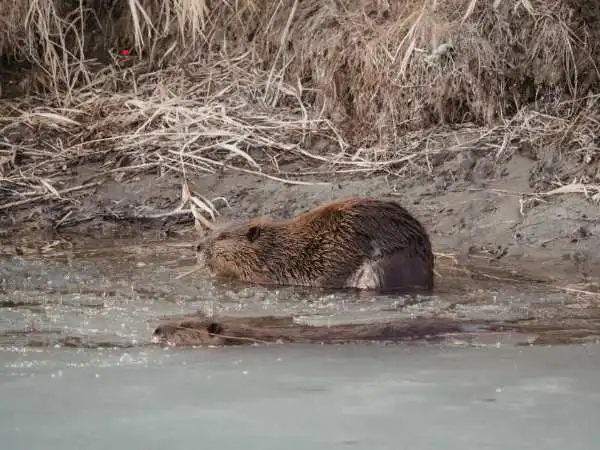
People have watched beavers build dams for centuries and still ask the same question. Why does a beaver build a dam at all. It looks exhausting. Dragging logs. Packing mud. Blocking streams that already flow just fine. From the outside, it can feel pointless or even destructive.
But nothing about a beaver dam is random. Every stick has a reason. Every flooded patch of land solves a survival problem. Beavers are not builders for fun. They are engineers because their lives depend on it.
Once you understand how beavers live, eat, hide, and raise young, the dam stops looking strange. It starts looking necessary.
Why Does a Beaver Build a Dam in the First Place
At the core, a beaver builds a dam to create still water. That’s it. Everything else flows from that goal.
Beavers are slow movers on land. Their bodies suit swimming far better than running. In shallow or fast-moving water, they face danger from predators. Wolves, bears, coyotes, and even large birds pose real threats.
By building a dam, a beaver floods an area and turns a narrow stream into a deep pond. Deep water keeps predators away and gives beavers space to move safely.
No dam means no safety.
Still Water Means Survival
Still water allows beavers to:
- Swim instead of walk
- Hide underwater when threatened
- Access food year-round
- Protect their young
Flowing water works against them. It exposes entrances. It lowers water levels. It removes cover.
The dam fixes all of that.
also read : – What Does MK Mean in a Text, Why People Use It, and How Tone Changes Everything
Do Beavers Build Dams Because They Hate the Sound of Running Water
This idea pops up everywhere. Do beavers build dams because they hate the sound of running water sounds funny, but it misses the real point.
Beavers do respond to the sound of flowing water. That sound signals a problem. Running water means a leak. A leak lowers water depth. Lower water means danger.
Beavers don’t feel annoyed by sound. They react to what the sound represents. When they hear flowing water, they try to stop it.
That instinct keeps their pond stable.
How Beavers React to Water Sounds
Experiments show beavers rush toward recordings of running water. They pile sticks and mud on the source. Not because they dislike noise, but because flowing water threatens their system.
It’s a repair response, not a preference.
Beavers Building a Dam Time-Lapse Shows the Pattern
Watching beavers building a dam time-lapse videos makes their purpose clear. The process follows a pattern.
First, they anchor sticks where water flows fastest.
Next, they weave branches to slow movement.
Then, they pack mud, leaves, and stones.
Finally, they maintain weak points over time.
Dams Are Never “Finished”
A beaver dam stays under constant maintenance. Water pressure shifts. Debris moves. Leaks form.
Beavers patrol their dams often. They fix problems before water drops too far.
This ongoing care keeps the pond level just right.
Inside a Beaver Dam: What It Looks Like
From the outside, a dam looks messy. Inside a beaver dam, structure appears.
The dam has:
- A solid upstream face
- A rough downstream side
- Packed mud sealing gaps
- Logs locked together by pressure
Water presses everything tighter. The dam grows stronger as it holds more water.
Nature helps the beaver.
Why Beaver Dams Create Ponds
The pond serves many purposes.
It:
- Submerges lodge entrances
- Creates underwater food storage
- Prevents freezing to the bottom
- Gives escape routes
Without a pond, a beaver’s lodge becomes useless.
also read : – Best House for NPC Terraria: Know About the Best Terraria House Designs and Ideas Here
Beaver Lodge vs Dam: The Difference Matters
People confuse the two. Beaver lodge vs dam is an important distinction.
The dam blocks water.
The lodge is the home.
The lodge sits inside the pond, often near the dam. It holds:
- Sleeping chambers
- Dry living space
- Nursery areas
Water surrounds the lodge, not the dam itself.
Why Lodges Need Deep Water
Lodge entrances sit underwater. That design keeps predators out. If water levels drop, entrances become exposed.
The dam exists to protect the lodge. Not the other way around.
What Do Beavers Eat
Understanding diet helps explain dam placement. What do beavers eat depends on season.
They eat:
- Tree bark
- Inner cambium layers
- Leaves
- Aquatic plants
Trees near water matter most.
Dams Bring Food Closer
By flooding land, beavers kill trees slowly. Those trees become food sources. Softened bark becomes easier to chew.
The pond also supports aquatic plants that beavers eat.
The dam turns the area into a buffet.
Winter Survival and Food Storage
Beavers store branches underwater near their lodge. Frozen ponds protect this stash.
Still water freezes from the top. Flowing water does not. A dam ensures ice forms safely above stored food.
Without a dam, winter becomes deadly.
also read : – Mau Roblox Meaning and it’s growth – Know in detail
Why Beaver Teeth Matter
Beavers have powerful front teeth that grow constantly. Gnawing wood keeps them sharp and usable.
Building dams helps manage tooth growth while solving survival needs.
Everything connects.
Why Are Beaver Dams Bad According to Some People
The phrase why are beaver dams bad usually comes from human conflict, not nature.
Dams can:
- Flood roads
- Damage farmland
- Block drainage systems
- Kill some trees
From a human view, that feels harmful.
Do Beaver Dams Cause Problems for People
Yes, do beaver dams cause problems in certain areas. Especially where human infrastructure overlaps waterways.
Flooded basements. Washed-out roads. Clogged culverts.
The beaver doesn’t know or care. It responds to water flow.
Environmental Benefits Often Get Ignored
Despite issues, beaver dams offer major benefits.
They:
- Reduce erosion
- Filter pollutants
- Recharge groundwater
- Support fish and birds
- Create wetlands
Many ecosystems depend on beaver activity.
Beavers as Ecosystem Engineers
Beavers change landscapes more than almost any other animal. Their dams reshape water flow, soil moisture, and plant growth.
This engineering supports biodiversity.
Many species thrive in beaver-made wetlands.
Why Fish Often Benefit From Beaver Dams
Contrary to belief, many fish species benefit from dams.
Ponds offer:
- Calm water
- Spawning areas
- Protection from predators
Some fish struggle. Many adapt well.
Why Beavers Pick Certain Spots
Beavers choose narrow streams with gentle slopes. These areas require less material to block.
A smart beaver builds where effort stays low and reward stays high.
also read – 954 Area Code, Where It Comes From, Who Uses It, and Why Calls From It Get Attention
How Long Does It Take to Build a Dam
Small dams can form in days. Large dams take weeks or months.
Time depends on:
- Water speed
- Material nearby
- Beaver family size
Teams work faster.
Family Effort Matters
Beavers live in family groups. Adults and older kits help with building.
This teamwork spreads effort and teaches skills.
Why Beavers Don’t Build Everywhere
Beavers avoid:
- Very fast rivers
- Deep lakes without outlets
- Areas without trees
They build where conditions match their needs.
What Happens When Beavers Leave
If a colony leaves, dams break down slowly. Water drains. Land changes again.
Some wetlands vanish. Others persist.
Beaver absence reshapes ecosystems again.
Why Humans Remove Beaver Dams
People remove dams to:
- Prevent flooding
- Restore drainage
- Protect infrastructure
This often leads to repeated rebuilding by beavers.
They return to fix what sounds like running water.
Modern Solutions Instead of Removal
Some regions install flow devices that let water pass without noise. Beavers stop repairing when they don’t hear flow.
This balances human needs and beaver behavior.
Are Beavers Aware of the Damage They Cause
No. Beavers act on instinct. They respond to water depth and sound.
Intent does not exist in this behavior.
Why Beavers Never Build Straight Dams
Dams curve slightly upstream. That curve distributes pressure evenly.
It’s a natural engineering choice learned through instinct.
Beaver Dams vs Human Dams
Human dams focus on power and storage. Beaver dams focus on safety and habitat.
Different goals. Different scale.
Why Beaver Dams Last So Long
Mud, wood, and water pressure lock everything together. Roots grow through dams over time.
Nature reinforces the structure.
Why Climate Change Makes Beaver Dams More Important
In dry regions, beaver ponds hold water during drought. They help ecosystems survive heat stress.
Some conservation groups encourage beaver return for this reason.
Common Myths About Beaver Dams
Several myths persist:
- Beavers hate water noise
- Dams exist for fun
- Dams always harm ecosystems
None hold up under study.
FAQs
Why does a beaver build a dam
To create deep, still water that protects its home and food supply.
Do beavers build dams because they hate the sound of running water
No. They respond to leaks that threaten water levels.
What do beavers eat
Tree bark, inner wood layers, leaves, and aquatic plants.
Why are beaver dams bad
They can flood human structures but help ecosystems.
Beaver lodge vs dam
The dam blocks water. The lodge is the home.
Final Words
A beaver builds a dam for one reason that explains everything else. Survival. Deep water keeps predators out, food close, and families safe. What looks like chaos is careful instinct shaped over thousands of years. When humans clash with beaver dams, it’s usually because both want control over water. The beaver just got there first.