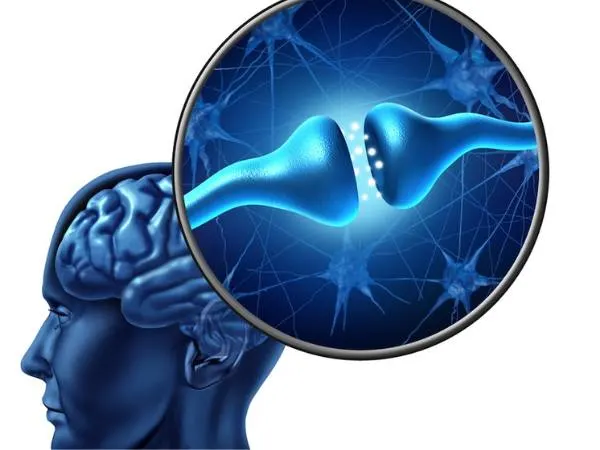
Most people have searched for it at some point. Erasing painful memories. After heartbreak. After loss. After something that still wakes you up at night. The idea feels simple. Remove the memory. Remove the pain.
I get why this question won’t go away. I’ve read the research. I’ve listened to people who carry trauma for years. One truth keeps showing up. The brain doesn’t work like a delete button. Still, memory is not fixed. It changes. It fades. It reshapes itself in ways many people don’t expect.
This guide looks at erasing painful memories from every angle. Neuroscience. Psychology. Trauma therapy. Culture. Movies and dramas. What’s real. What’s hype. What helps without breaking your mind in the process.
Why Painful Memories Stick So Hard
Painful memories feel different from normal ones. They arrive fast. They feel vivid. They come with body reactions.
That’s not weakness. That’s biology.
Strong emotion tells the brain, this matters. Stress hormones strengthen memory storage. The brain links the memory to survival systems.
That’s why:
- trauma memories feel sharp
- bad memories replay without warning
- the body reacts before logic
The brain is trying to protect you, even years later.
also read : – Assisting Someone Who Is Addicted to Drugs
Can We Actually Erase Bad Memories From the Brain
Short answer. No, not fully.
Long answer. Memory is not stored in one place. It lives in networks. Emotions, senses, meaning, and context all connect.
You can:
- weaken emotional charge
- change how memories are accessed
- reduce intrusive recall
You cannot safely wipe a specific memory clean without affecting others.
Science keeps confirming this.
Erasing Traumatic Memories From the Human Mind: What Research Shows
Researchers have explored memory modification for decades.
Some findings:
- memories change when recalled
- emotional intensity can drop over time
- new meaning reshapes old memory
This process is called reconsolidation. Each time a memory is recalled, it becomes slightly flexible before being stored again.
That flexibility creates opportunity for healing, not deletion.
also read : – Best process to cure your health problems in an efficient way
Why Memory Deletion Is Risky
Memories are tied together.
Trying to remove one memory risks:
- identity disruption
- emotional flattening
- memory gaps
- confusion
The brain evolved to integrate experience, not isolate it.
Erasing memory would mean erasing part of how you learned to survive.
Erasing Bad Memories vs Healing From Them
This distinction matters.
Erasing memory means:
- removing content
Healing means:
- changing response
Most trauma recovery focuses on reducing pain, not removing memory.
People still remember. The memory stops hurting.
That difference changes everything.
How the Brain Naturally Softens Painful Memories
Over time, many memories lose intensity.
This happens through:
- emotional processing
- meaning-making
- new experiences
- nervous system regulation
The memory stays. The sting fades.
That’s the brain doing its job.
Why Some Memories Don’t Fade
Some memories resist change.
Reasons include:
- repeated stress
- lack of safety
- avoidance
- unresolved emotion
Avoidance freezes memory in its original form.
Processing allows change.
Erasing Traumatic Memories: Therapy Approaches That Help
Therapy does not erase memories. It uncouples pain from memory.
Approaches that help include:
- trauma-focused therapy
- exposure-based methods
- eye movement techniques
- somatic approaches
The goal stays the same. Reduce emotional charge.
Memory Reconsolidation Explained Simply
Each time you recall a memory, it briefly opens.
During that window:
- emotion can be updated
- meaning can shift
- fear can reduce
Therapy uses this window carefully.
Think of it as editing the reaction, not deleting the file.
Medication and Memory Modification
Some medications affect memory intensity.
Research has explored:
- beta blockers
- anxiety-reducing agents
These may reduce emotional response during recall.
They do not erase memory. They may soften it.
Use requires medical supervision.
Why “Erase Bad Memories” Products Don’t Work
Online claims promise quick fixes.
Common red flags:
- instant deletion claims
- brain rewiring overnight
- secret techniques
Memory systems are complex. Quick fixes rarely hold.
Real change takes time and repetition.
Erasing Bad Memories Quotes: Why They Feel Comforting
Quotes about forgetting pain circulate widely.
They work because:
- they offer hope
- they simplify suffering
- they suggest control
Quotes comfort emotion. They don’t reflect brain science.
That’s okay. Comfort still matters.
also read : – Hire Top-Notch Therapists to Get the Best Remedy for Dope Dependence Recovery
Cultural Fascination With Erasing Painful Memories
Stories love this idea. Movies. Shows. Dramas.
They ask the same question. What if you could forget?
These stories reveal more about human longing than neuroscience.
Movie About Erasing Painful Memories
One film comes up again and again.
Eternal Sunshine of the Spotless Mind
The film imagines a procedure that removes memories of a failed relationship.
What it gets right:
- pain drives the desire to forget
- memory links to identity
- removal creates emptiness
What it gets wrong:
- clean deletion
- no side effects
The emotional truth lands. The science does not.
To Erase Painful Memories: Charmed and Fantasy Fixes
Shows like Charmed used magical memory removal as a plot tool.
Magic makes forgetting look easy.
Real brains are less cooperative.
Fantasy explores desire. Reality handles consequences.
Erasing Bad Memories Drama and K-Drama Themes
K-dramas often use memory loss as reset.
Titles built around erasing memories attract viewers because:
- pain disappears
- identity resets
- love restarts
In real life, memory loss brings confusion, not freedom.
Drama skips that part.
also read : – How to Control Dandruff in Men
Why People Want to Erase Painful Memories
Common reasons include:
- trauma
- grief
- betrayal
- regret
- shame
People don’t want memory gone. They want the feeling gone.
That difference points to real solutions.
The Role of Avoidance
Avoidance feels helpful short-term.
Long-term, it:
- keeps memory raw
- increases triggers
- shrinks life
Facing memory safely allows change.
Avoidance keeps pain frozen.
Erasing Bad Memories in Brain: What Technology Can Do
Brain stimulation and research tools exist.
They can:
- influence mood
- affect attention
- modulate circuits
They cannot target a single memory without broad effects.
Precision remains limited.
Why Forgetting Isn’t Always Healing
Forgetting can remove learning.
Painful memories often carry:
- boundaries
- insight
- growth
Healing keeps meaning while reducing pain.
That balance matters.
also read : – How To Stop Hairfall
Trauma Memory vs Narrative Memory
Trauma memory feels fragmented.
It shows up as:
- images
- sensations
- body reactions
Narrative memory feels organized.
Therapy helps move trauma memory toward narrative form.
The memory becomes part of your story, not a threat.
Erasing Traumatic Memories vs Integration
Integration means:
- memory stays
- control returns
- identity stabilizes
People often say, I still remember, but it doesn’t own me.
That’s the real win.
The Nervous System and Memory
Memory lives in the nervous system.
When the body feels safe:
- memory quiets
- triggers reduce
- reactions slow
Safety changes memory expression.
Somatic Work and Memory Relief
Somatic approaches focus on body awareness.
They help by:
- calming nervous responses
- releasing stored tension
- restoring control
Painful memory loses physical grip.
Can Hypnosis Erase Bad Memories
Hypnosis does not erase memory.
It may:
- change perception
- reduce distress
- improve access to processing
Claims of deletion remain unsupported.
Alcohol and Memory Suppression
Some try to numb memory with substances.
This approach:
- delays healing
- increases rebound distress
- worsens memory intrusion
Numbing isn’t erasing. It compounds pain.
also read : – Steps To Prevent Kidney Stones
Social Support and Memory Healing
Sharing memory safely changes it.
Being believed and supported:
- reduces shame
- lowers emotional load
- reshapes meaning
Isolation keeps memory sharp.
Connection softens it.
Identity Without Painful Memories
People sometimes ask who they’d be without pain.
Painful experiences shape:
- empathy
- boundaries
- resilience
Healing removes suffering, not strength.
Why the Brain Resists Forgetting
The brain values learning.
Forgetting danger feels risky to survival systems.
Therapy teaches the brain that the danger has passed.
The memory can rest.
also read : – Benefits Of Using Vitamin C Serum For Oily Skin
Erasing Bad Memories vs Emotional Regulation Skills
Skills matter more than erasure.
Skills include:
- grounding
- emotion labeling
- nervous system regulation
- thought flexibility
These change memory impact daily.
When Painful Memories Signal PTSD
Warning signs include:
- flashbacks
- nightmares
- strong body reactions
- avoidance
Professional support helps.
PTSD treatment focuses on memory integration, not deletion.
What Healing Actually Feels Like
Healing feels like:
- remembering without panic
- choosing response
- living without constant alert
The memory becomes quieter.
Not gone. Quiet.
Why “I Want to Forget” Is a Reasonable Thought
Wanting to forget does not mean weakness.
It means pain exceeded coping resources.
That desire points to unmet needs.
Addressing needs changes memory impact.
Grief and Memory
Grief memories hurt because they connect to love.
Erasing them would erase connection.
Healing allows memory with warmth, not pain.
Regret and Memory
Regret-based memories replay to teach.
Processing regret allows:
- self-forgiveness
- learning
- release
Erasure blocks growth.
Time Alone Does Not Heal All Memories
Time helps some memories.
Others need active processing.
Waiting without support often prolongs distress.
Choosing Healing Over Erasure
Healing respects the brain’s design.
It works with memory, not against it.
That approach lasts.
also read : – Tips For Selecting The Best Maternity Pad
Final Words on Erasing Painful Memories
Erasing painful memories sounds appealing. Science shows it’s neither safe nor necessary. The brain cannot delete single experiences without ripple effects. What it can do is change how memories feel and function.
Pain fades when safety returns. Control grows when understanding deepens. Memory stays, but suffering loosens its grip.
That outcome matters more than forgetting ever could.
FAQs: Erasing Painful Memories
Can painful memories be erased
No. They can be softened and integrated.
Can traumatic memories be removed from the brain
Not safely. Therapy focuses on reducing emotional charge.
Do movies about erasing memories reflect reality
They reflect desire, not neuroscience.
Why do bad memories keep coming back
Avoidance and unresolved emotion keep them active.
What actually helps painful memories
Trauma-informed therapy, nervous system regulation, and support.